
Find Family Court Records in Columbus
Columbus family court records are managed by the Muscogee County Superior Court. Columbus and Muscogee County are consolidated, so one court handles all family law cases for the city. Divorce, custody, support, and protective order filings all go through the courthouse on 10th Street.
Columbus Quick Facts
Which County Handles Columbus Family Court Cases
All Columbus family court records go through Muscogee County. The city-county consolidated government means there is one court system for the whole area. The Chattahoochee Judicial Circuit covers Muscogee County along with several surrounding counties. Family cases in Columbus are filed at the Muscogee County Superior Court.
Since the city and county share the same boundaries, you do not need to worry about which side of a county line you live on. Every Columbus address falls in Muscogee County. That keeps things simple for family court filings.
Muscogee County Superior Court Clerk
The Muscogee County Superior Court sits at 100 10th Street, Columbus, GA 31901. Call (706) 653-4370 for the clerk office. The Muscogee County Courts website has information about court services, hours, and filing procedures. Staff at the clerk office can help you search for family court records, request copies, and file new cases.
For in-person visits, bring your ID and the case number if you have it. The clerk can search by party name too, but a case number makes the process faster. Copies of family court records come in two types. Certified copies have the court seal and work for legal purposes. Regular copies cost less but do not carry the seal. Fees vary by document and page count.
| Court | Muscogee County Superior Court |
|---|---|
| Address | 100 10th Street Columbus, GA 31901 |
| Phone | (706) 653-4370 |
| Website | muscogeecourts.com |
| Circuit | Chattahoochee Judicial Circuit |
Types of Family Court Records in Columbus
Divorce is the most common type of family court record filed in Columbus. One spouse files a complaint at the clerk office to start the case. Georgia requires a six-month residency under O.C.G.A. § 19-5-2. The case is filed where the defendant lives. In Columbus, that means the Muscogee County Superior Court. The case file includes the complaint, answer, temporary orders, financial statements, and the final decree.
Custody disputes show up often in the Columbus court docket. These happen during divorce cases or between parents who were never married. O.C.G.A. § 19-9-3 sets the standard as the best interest of the child. Columbus judges look at factors like each parent's home, work schedule, and ability to care for the child. The court file holds all custody-related documents: petitions, parenting plans, evaluations, and final orders.
Protective orders under O.C.G.A. § 19-13-3 are free to file in Columbus. A victim of family violence can petition the Muscogee County Superior Court for a temporary order. The court can grant it the same day. Within 30 days, a hearing decides whether to issue a longer order. These records are part of the public family court file.
Adoption records exist but are sealed. Georgia law prevents access without a court order. The clerk can tell you how to petition to unseal records if you need to.
Online Access to Columbus Family Court Records
The GSCCCA search portal is the main statewide tool for finding court records in Muscogee County. You can search by name or case number. A monthly subscription unlocks full access. The Muscogee County Courts website also has some information about court services and case access, though it may not offer a full online search tool for family records.
Attorneys filing family court cases in Columbus can use the Odyssey eFileGA system. This lets them submit documents electronically at any time. Pro se litigants must still file in person. The PeachCourt portal offers another option for electronic access to court services in Georgia.
For mail requests, write to the Muscogee County Superior Court Clerk at 100 10th Street, Columbus, GA 31901. Include the case number or full names of the parties. Call ahead at (706) 653-4370 to confirm the fee before sending payment.
Child Support in Columbus
The Georgia Division of Child Support Services handles enforcement for Columbus residents. Call 1-877-423-4746. DCSS can set up new orders, collect payments, and enforce existing orders through wage garnishment and other tools. They also handle paternity cases.
Georgia calculates child support under the income shares model in O.C.G.A. § 19-6-26. Both parents' incomes go into a worksheet. The result determines the monthly payment. Health care and child care costs are factored in. To modify a support order in Columbus, file a petition at the Muscogee County clerk office or request a review through DCSS.
Legal Resources in Columbus
Columbus residents who need help with family court cases have several options. Georgia Legal Services Program covers the Columbus area and helps low-income people with divorce, custody, and protective orders. The State Bar of Georgia lawyer referral service can connect you with a private attorney in Muscogee County.
Self-represented litigants can use PeachCourt for guided form preparation. The clerk office at the Muscogee County courthouse can also point you to local resources and explain filing procedures. Some Columbus attorneys offer free consultations for family law matters, which is worth asking about before you hire someone.
The Columbus city and Muscogee County courts website provides information about court services and family law filings for Columbus residents.
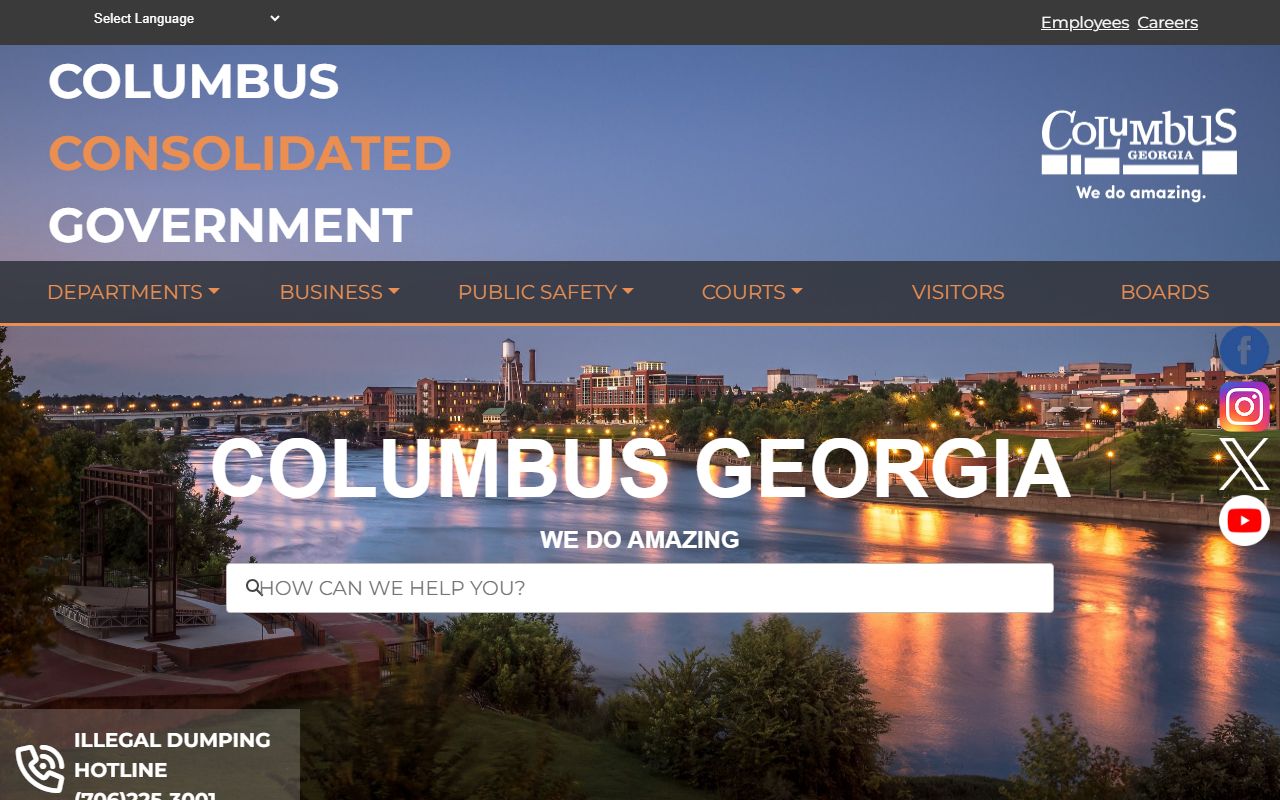
Visit this site for details about filing procedures, court calendars, and contact information for the Muscogee County clerk office.
The Odyssey eFileGA portal handles electronic filing for attorneys in family court cases across Georgia, including Muscogee County.
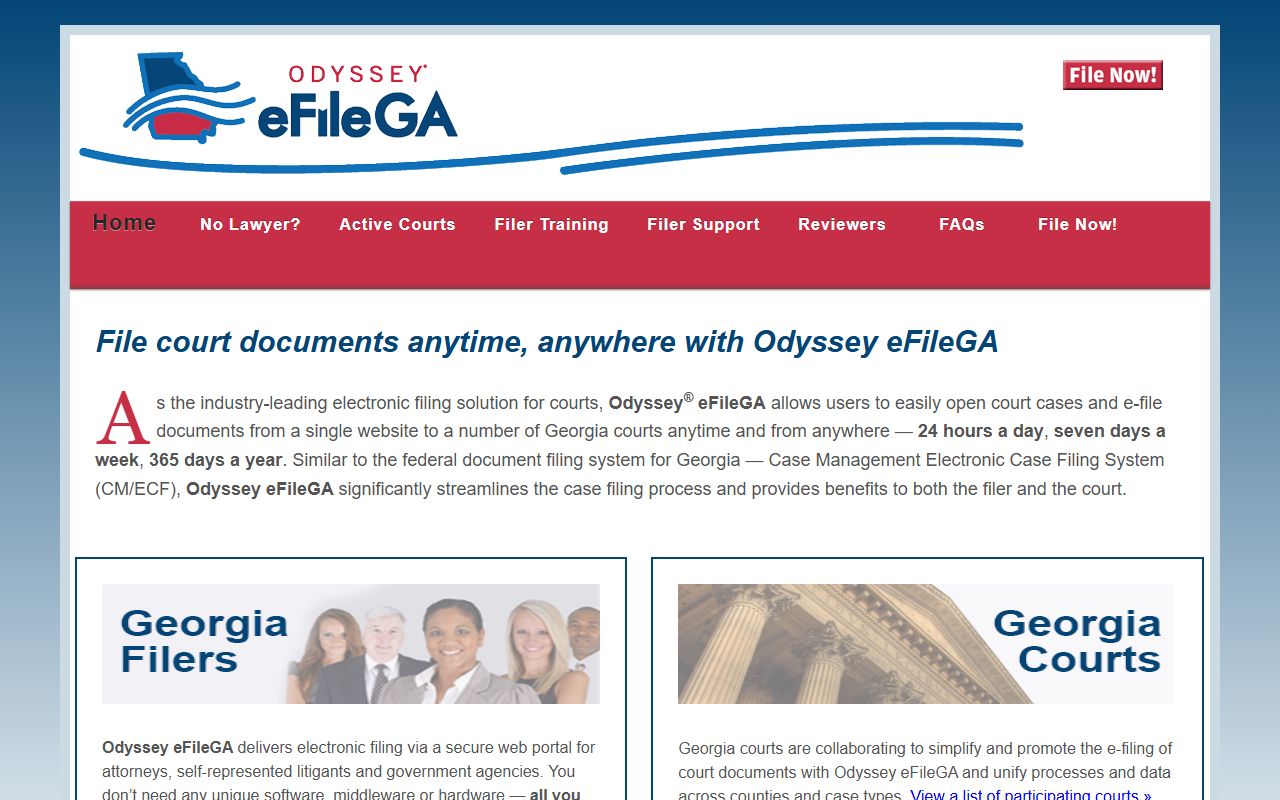
Lawyers representing clients in Columbus family court cases can use this system to submit documents online without visiting the courthouse.
Nearby Cities
These qualifying cities are in the Columbus area or within a reasonable distance. Family court cases for each city go through their respective county courts.