
Randolph County Family Court Records
Randolph County family court records are filed at the Superior Court Clerk office in Cuthbert, Georgia. Part of the Pataula Judicial Circuit in the 2nd District, Randolph County processes divorce cases, custody disputes, child support orders, and protective order filings through this office. If you need to find or search for family court records in Randolph County, the clerk on Front Street is the primary source for all documents.
Randolph County Quick Facts
Randolph County Clerk of Superior Court
The clerk office in Randolph County handles all family court records for the area. It is at 93 Front Street in Cuthbert. Call (229) 732-2216 to check on a case or ask about hours. The staff can pull records by name or case number. Certified copies are available for legal use. Plain copies cost less and work for personal reference.
Randolph County shares the Pataula Judicial Circuit with several other southwest Georgia counties. Judges rotate between courthouses on a schedule. All family court records filed in Randolph County stay at the Cuthbert courthouse regardless of where the judge normally sits. This is a small county, and the clerk office does not get the volume that larger counties see. That often means shorter wait times when you need to search for family court records or get copies of documents.
It helps to call ahead before visiting. The staff can tell you what they need to find your case and how long copies take to prepare. Bringing a case number or the full names of the parties involved makes the search go faster at the Randolph County clerk office.
| Address | 93 Front Street, Cuthbert, GA 39840 |
|---|---|
| Phone | (229) 732-2216 |
| Hours | Monday through Friday, 8:30 AM to 5:00 PM |
| Online Records | GSCCCA Search |
Divorce and Custody Cases in Randolph County
Divorce is the most common family court filing in Randolph County. O.C.G.A. § 9-10-91 sets the rules for where a case can be filed. At least one spouse must have lived in Georgia for six months. The petition goes to the Randolph County clerk office. Then the other spouse is served. A 30-day wait follows before the court can act.
Uncontested divorces tend to move through Randolph County family court records faster than contested ones. If both sides agree on property, debts, and any child-related matters, the judge can sign the decree soon after the waiting period ends. The final decree covers everything: who gets what, custody terms, and support amounts. This decree is a permanent part of Randolph County family court records. Anyone can request a copy from the clerk.
Custody disputes in Randolph County follow O.C.G.A. § 19-9-3. The court looks at the best interest of the child. Factors include the bond with each parent, home stability, and any history of abuse. Children 14 and older can pick which parent they want to live with. The judge gives that choice serious weight when deciding Randolph County family court cases.
Searching Randolph County Family Court Records Online
The GSCCCA is the main way to search Randolph County family court records online. A subscription costs $14.95 per month. You can search by name across all 159 Georgia counties. Each printed page adds $0.50. The portal shows case numbers, filing dates, and document types for Randolph County records.
Below is the GSCCCA search portal that covers Randolph County and every other county in the state. You can filter results by county name to narrow down your search for family court records.
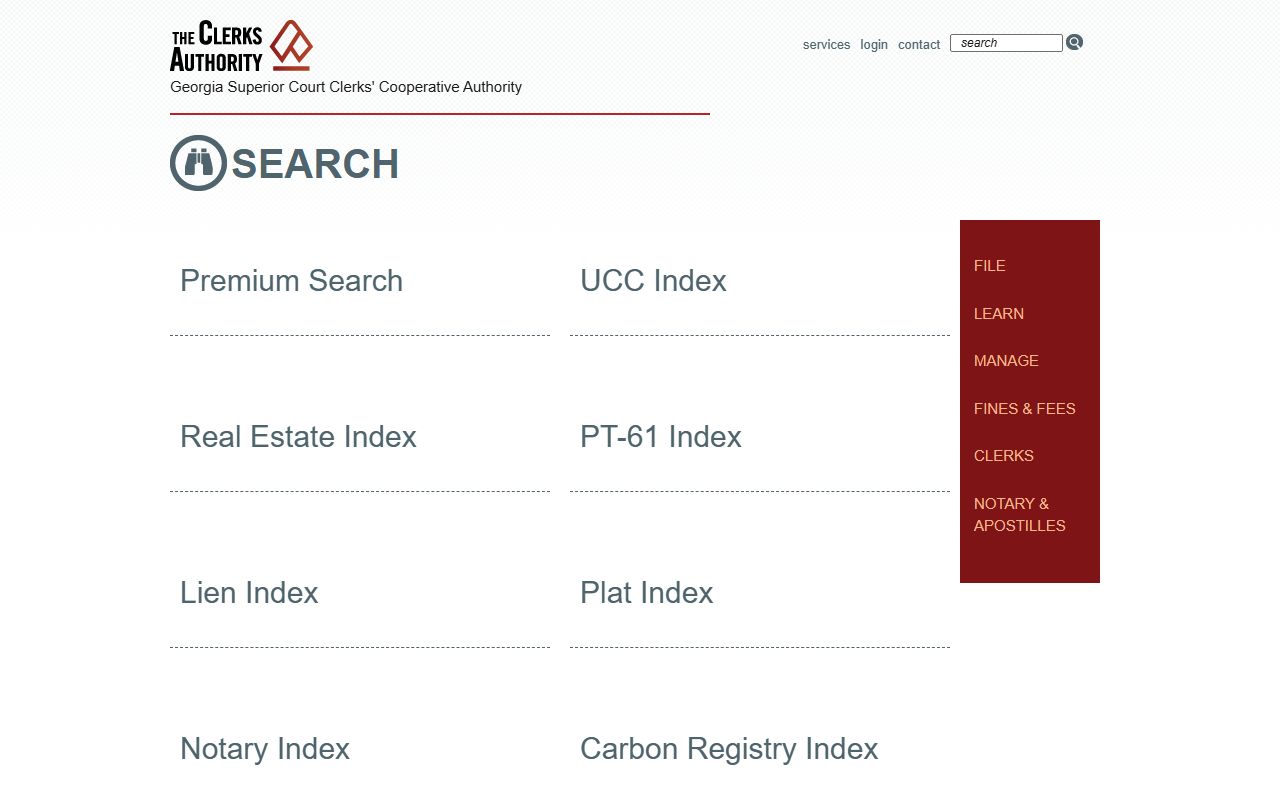
This tool lets you check if a family court record exists in Randolph County from your computer. For full copies, you may still need to contact the clerk in Cuthbert.
The eFileGA system is used by attorneys to file documents electronically in Randolph County. Some case information may be available online through this platform. Self-represented parties still file paper documents at the Randolph County courthouse.
Randolph County Child Support Records
Child support orders filed in Randolph County follow O.C.G.A. § 19-6-26. Georgia uses the income shares model. Both parents report what they earn. The court then sets the amount based on income, health care costs, daycare, and other factors. That order becomes part of the Randolph County family court records at the clerk office.
The Georgia Division of Child Support Services works with Randolph County on enforcement. DCSS can garnish wages, intercept tax refunds, and suspend licenses if a parent falls behind. They also help when either parent needs to change the support amount. Call DCSS at 1-877-423-4746 for questions about any Randolph County child support case.
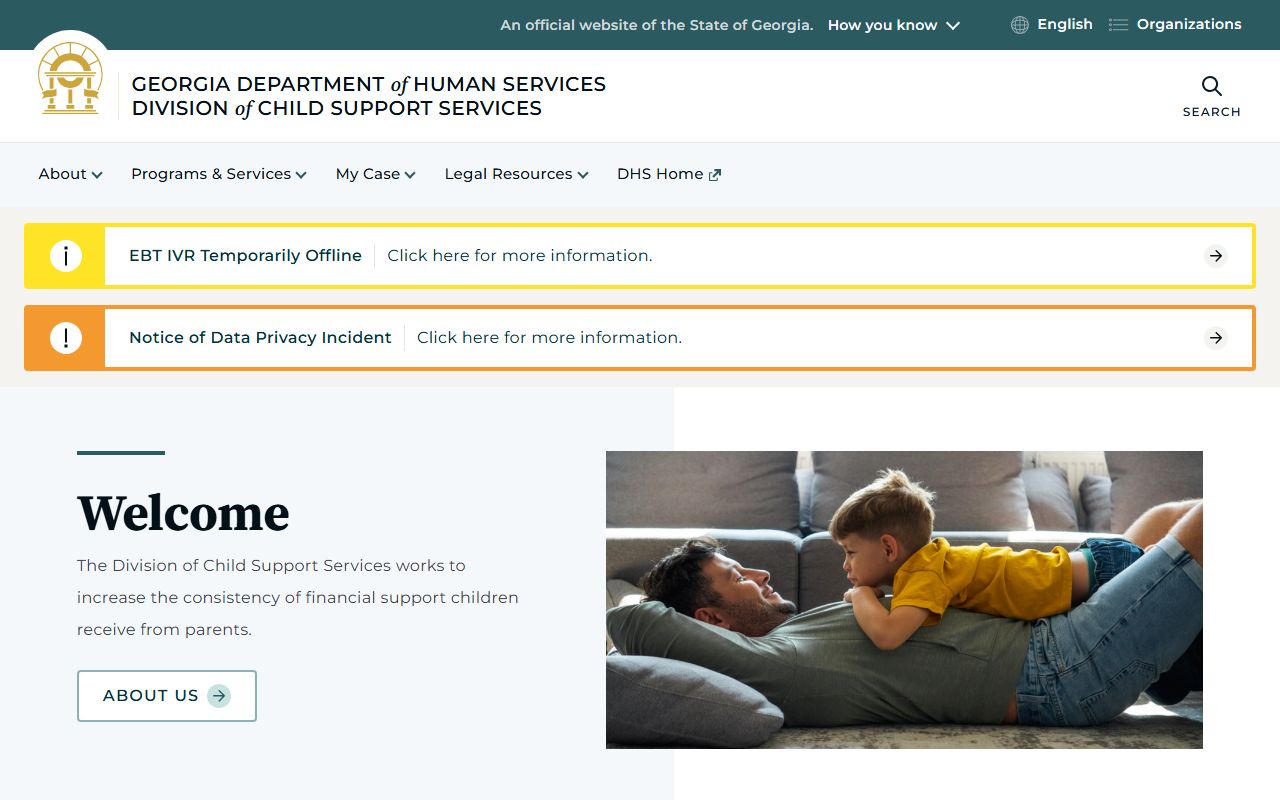
DCSS provides online tools for making payments and checking case status. Their services cover all Georgia counties, including Randolph County.
Protective Orders in Randolph County
Protective orders for family violence are free to file in Randolph County. O.C.G.A. § 19-13-3 says the court cannot charge any fee. You file at the clerk office in Cuthbert. The judge can issue a temporary order on the same day if there is immediate danger. A full hearing happens within 30 days. The final order can last up to three years.
The Georgia protective order page explains the forms and steps. Georgia's domestic violence hotline at 1-800-334-2836 is available 24 hours a day. Randolph County family court records for protective orders have some access limits to protect the person who filed.
Additional Randolph County Family Court Records
Beyond divorce and custody, the Randolph County clerk office handles adoption filings under O.C.G.A. § 19-8-2. These records are sealed. Only parties to the case can view them without a court order. Paternity cases are also filed here. These establish legal fatherhood and often come with support orders.
To get copies of any Randolph County family court records, visit 93 Front Street in Cuthbert or call (229) 732-2216. Certified copies cost more but carry the court seal that you need for legal matters. The clerk can also tell you about mail-in request options if you cannot visit in person.
Nearby Counties
Randolph County is in southwest Georgia. These counties share borders and each has its own Superior Court for family law cases.